Penn State President
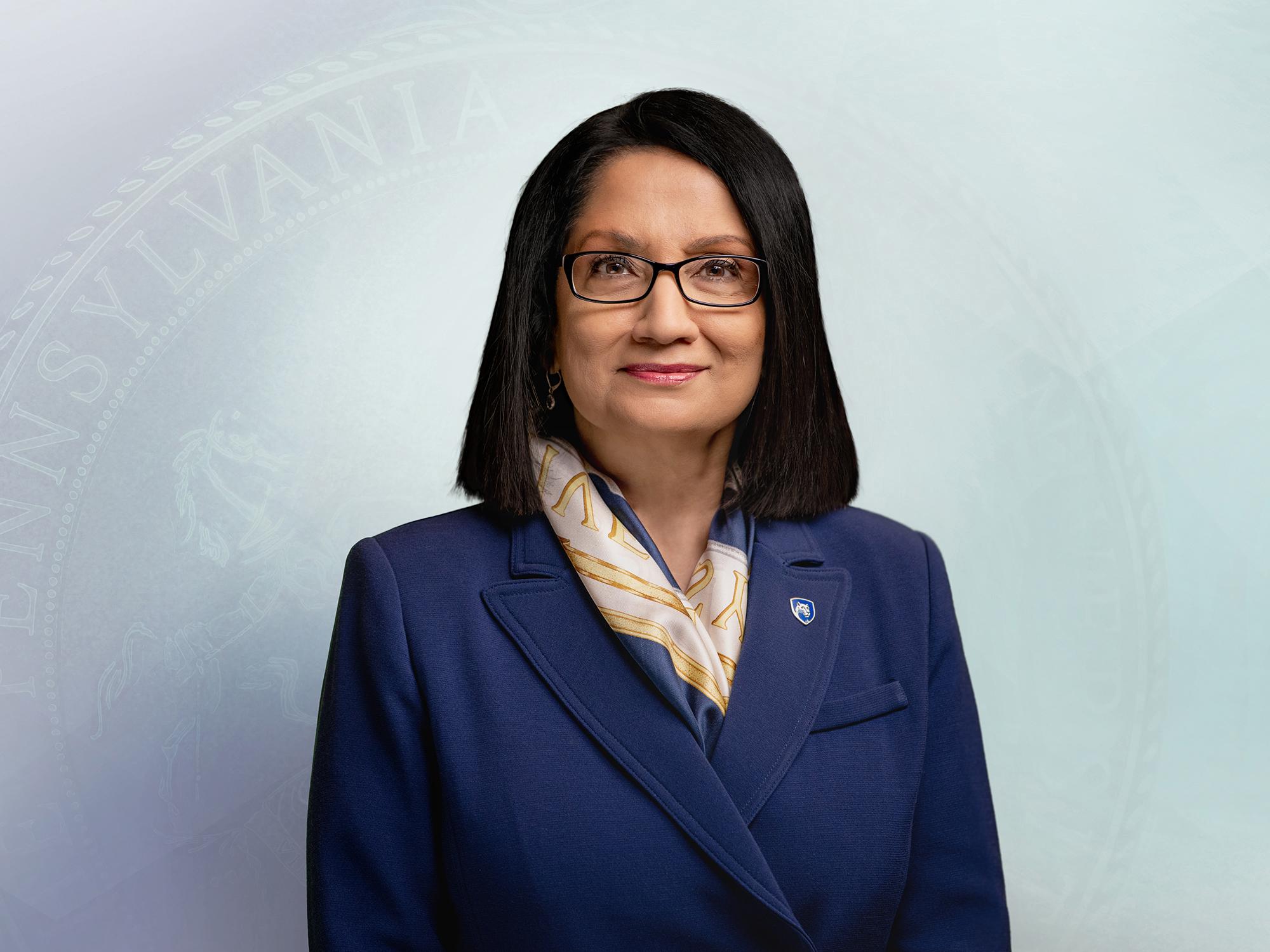
Neeli Bendapudi, Ph.D., leads an inspired community of Penn State students, faculty, and staff. Driven by a commitment to fostering student success and a sense of belonging for all Penn Staters, President Bendapudi advances the University’s values and land-grant mission of teaching, research, and public service.
President Neeli Bendapudi
Neeli Bendapudi began her tenure as the nineteenth president of Penn State on May 9, 2022. With a nearly thirty-year career as a leader in higher education and business, Bendapudi is a dedicated educator, academic, and executive. She leads Penn State’s twenty-four-campus network and top-ranked online World Campus with a focus on advancing excellence and creating opportunities for students, faculty, and staff to thrive.
Her is one where all students have the opportunity to succeed, interdisciplinary research excellence is encouraged and supported, and the University’s land-grant impact is felt deeply within the Commonwealth of Pennsylvania and beyond. Within the foundation of these efforts, she is committed to fostering diversity, equity, inclusion, and belonging and enabling innovative ways of operating to best serve students, faculty, and staff.
Prior to coming to Penn State, Bendapudi was president of the University of Louisville from 2018 to 2022. Among her leadership experiences, she also has served as provost and executive vice chancellor at the University of Kansas, dean of the School of Business at the University of Kansas, and as founding director of the Initiative for Managing Services at the Ohio State University. In addition to consulting for some of the world’s largest companies and organizations, she was the executive vice president and chief customer officer for Huntington National Bank.
With a research background in the study of consumer behavior in service contexts, she has taught marketing at a variety of higher education institutions and been honored for contributions in her field at both the national and university level. Bendapudi earned her bachelor’s degree in English and MBA from Andhra University in India and her doctorate in marketing from the University of Kansas.

My purpose as Penn State’s president is to leverage the transformative power of higher education to improve the lives of our students, their families, and communities."
Neeli Bendapudi
Penn State President
Neeli Around Campus
![[object Object]](https://images.ctfassets.net/ni9rh5nu0d99/3H10mDWY5oGD4tVZVohpmr/6a43e31ab07c7366ec54317e2aafc991/21-12-10-Bendapudi-campus-tour-1021_Lion.jpg)
![[object Object]](https://images.ctfassets.net/ni9rh5nu0d99/37IblGE2AJbTECdK1RsTuq/b60b464a37f8b9e6e1f1dd8f934aed86/NeeliBendapudiBerks.jpg)
![[object Object]](https://images.ctfassets.net/ni9rh5nu0d99/2uZUpclqUOphF3cbnSY6Z4/46858a3881cfdb22a31fd6477ffc7f76/image-9.jpg)
![[object Object]](https://images.ctfassets.net/ni9rh5nu0d99/6mkkGvL420dQvrVeFW5uy1/db988c6d837321722fe8415bfed496e8/bendapudi-brandywine.jpg)
![[object Object]](https://images.ctfassets.net/ni9rh5nu0d99/4qfApWGyXPp9lwQRY6ASfo/af19f59982bb51ab12afaf2f966ad0e3/bendapudi-nittany-lion-rose-bowl.jpg)
![[object Object]](https://images.ctfassets.net/ni9rh5nu0d99/3Fk9jp5zKkRBV0dzNh3gks/cac8a728d073115a0017c42a729c3750/bendapudi-studio.jpg)
![[object Object]](https://images.ctfassets.net/ni9rh5nu0d99/5iXOEizVS6Pmf4YYM2id7E/e2326619f98a83e11e0db8f4456a5560/bendapudi-commencement.jpg)
![[object Object]](https://images.ctfassets.net/ni9rh5nu0d99/Zj43AQ4OIHBI5DVNtdvM7/b18365ef51c9a9167ba93fa7be37b183/bendapudi-homecoming-parade.jpg)
![[object Object]](https://images.ctfassets.net/ni9rh5nu0d99/6rafBPYAdWul1trRvdHdT4/f7cc88eede0213b0979cda4e9272b8b9/bendapudi-harrisburg.jpg)
![[object Object]](https://images.ctfassets.net/ni9rh5nu0d99/23qa0fayc1maGDK1QOCbFU/1659ecbb9023fda6dab8f0435470891e/bendapudi-creamery.jpg)
![[object Object]](https://images.ctfassets.net/ni9rh5nu0d99/3SvPiN4Ibyt7ufWOHwfbOb/ae7712cebea4f2a232f2de5118668801/bendapudi-thon.jpg)
![[object Object]](https://images.ctfassets.net/ni9rh5nu0d99/6k2Dy11s4YQxYzKz0o2dKu/8acfbfa7686e1c2fac8d10d80bd2764e/Behrend-PSB-PSU-President.jpg)
Neeli Bendapudi talks with student Lion Ambassador at Penn State Behrend.
The Bendapudi family visited the Lion Shrine during a campus tour following Neeli Bendapudi’s appointment as Penn State’s 19th president.
Neeli Bendapudi speaks with student Lion Ambassador during campus tour.
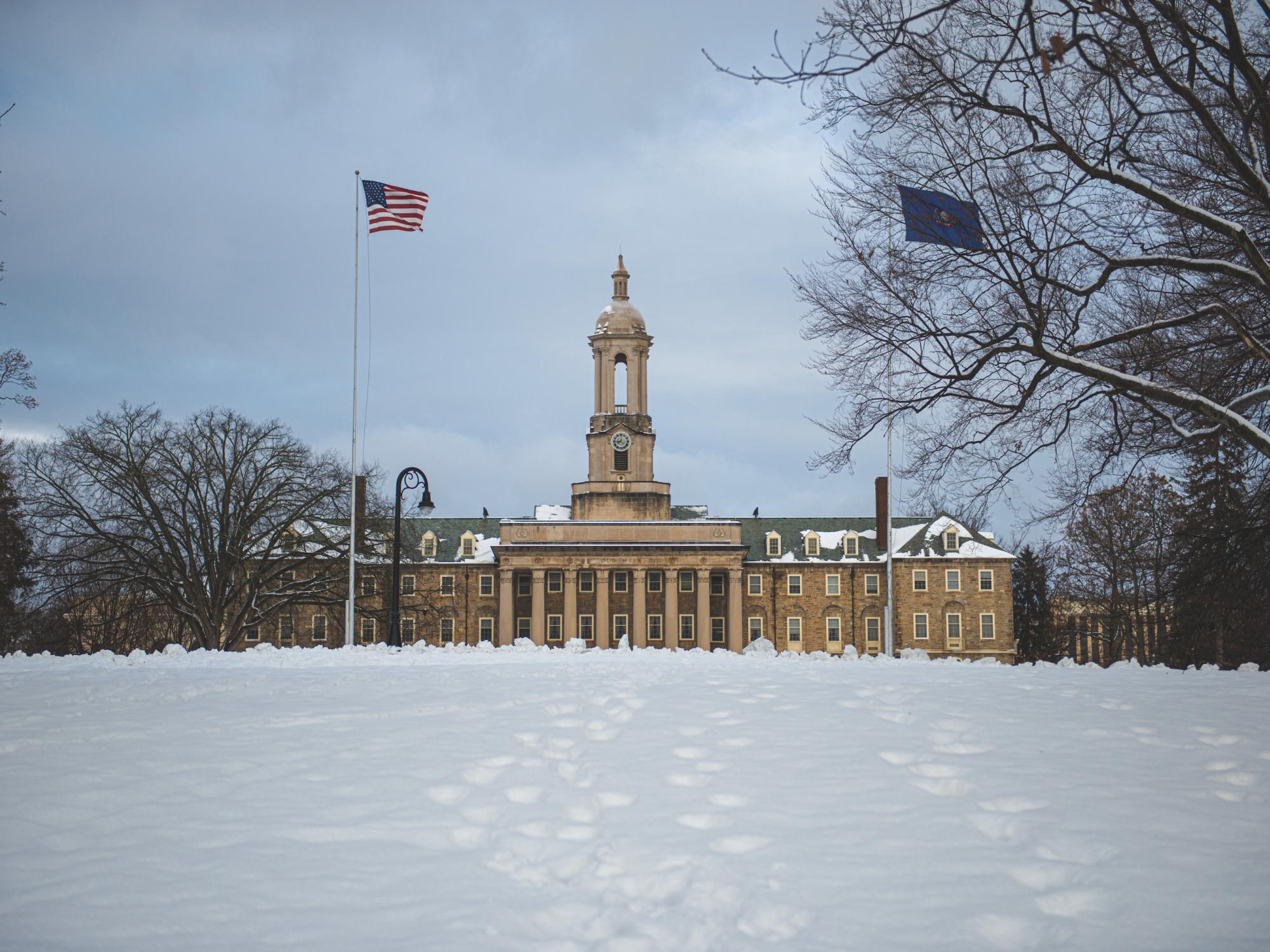
Neeli Bendapudi poses with students and alumni at Old Main.
McKenna Loney (left) and her sister Samantha were among the Penn State Brandywine student leaders who met with President Bendapudi during a campus visit.
President Bendapudi and the Nittany Lion celebrate at the Rose Bowl Pep Rally in Los Angeles before the big game.
Neeli Bendapudi prepares to film in a broadcast studio in Willard Building at Penn State University Park.
Neeli Bendapudi addresses Penn State graduates and their loved ones at commencement.
Neeli Bendapudi and her family enjoyed participating in their first Homecoming Parade in October 2022.
President Neeli Bendapudi speaks in the Capitol rotunda in Harrisburg, Pa.
President Bendapudi enjoys ice cream at the Berkey Creamery with two student employees.
President Bendapudi enjoyed attending and meeting students during her first THON, an annual tradition at Penn State and the largest student-run philanthropy in the world.
Learn More

Media Kit
President Bendapudi’s biography, presidential portraits, and curriculum vitae are available for media and public use. Media and additional photo requests can be directed to the Office of Strategic Communications.

Contact
Please direct inquiries to:
Office of the President
The Pennsylvania State University
201 Old Main
University Park, PA 16802
Email: president@psu.edu
Phone: 814-865-7611 (Mon.–Fri., 8 a.m.–5 p.m.)
Fax: 814-863-8583
Media and photo requests should be directed to: Office of Strategic Communications